

The best time to visit Indore depends on how you want to balance cooler temperatures, rain and festival dates. Winter is milder than the hot pre-monsoon months, while July and August bring the heaviest average rainfall; annual celebrations also fall in March and September.
- Cooler months: December and January have average daily highs of 23.7°C and 21.5°C.
- Hottest period: April and May average daily highs of 38.6°C and 40.2°C.
- Wettest months: July and August average 303.9 mm and 240.7 mm of rain.
- Festival months: Rangpanchami is in March and Anant Chaturdashi is in September.
In het kort
6 plaatsen · veeg
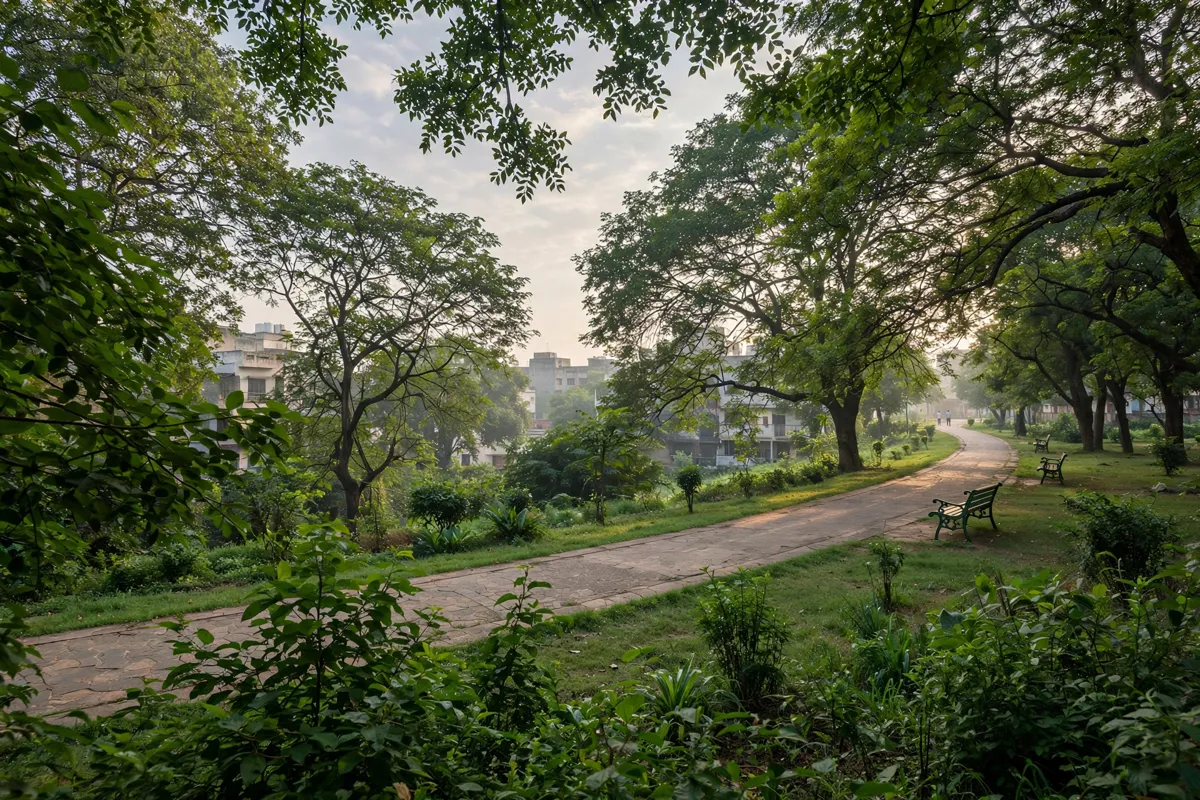 01Indore's seasons at a glanceIndore has hot pre-monsoon months, a rainy mid-year period and cooler, generally drier winter months.
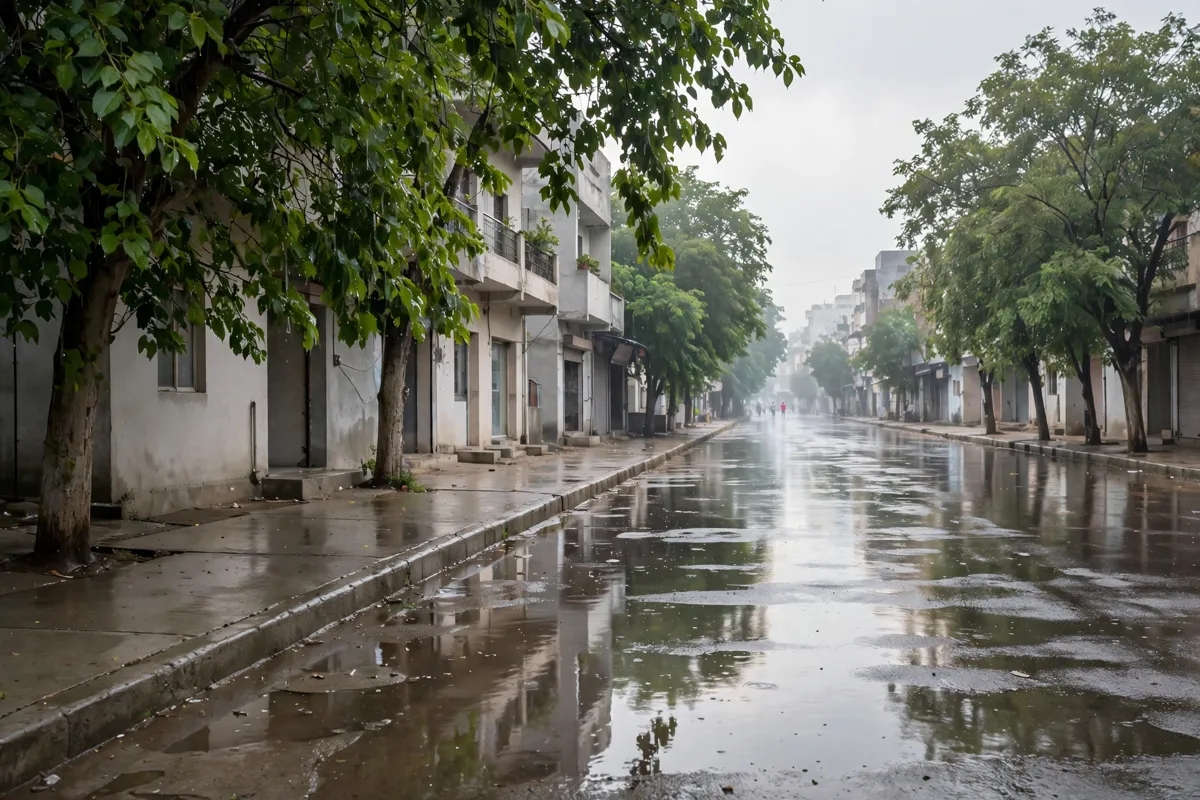 02Planning around heat and monsoon weatherPlan for the strongest heat in April and May, and allow for frequent rain in July and August.
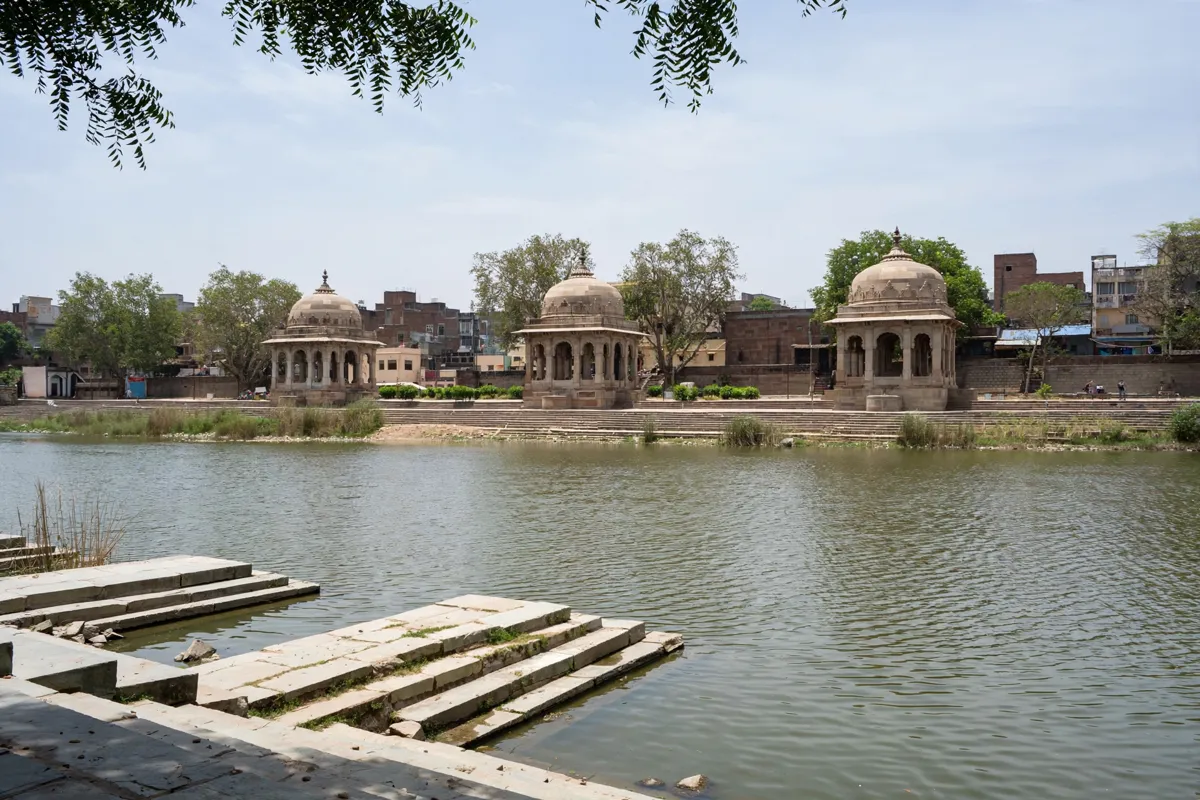 03Winter visits and outdoor sightseeingDecember and January offer Indore’s lowest average daytime temperatures, making winter the mildest period…
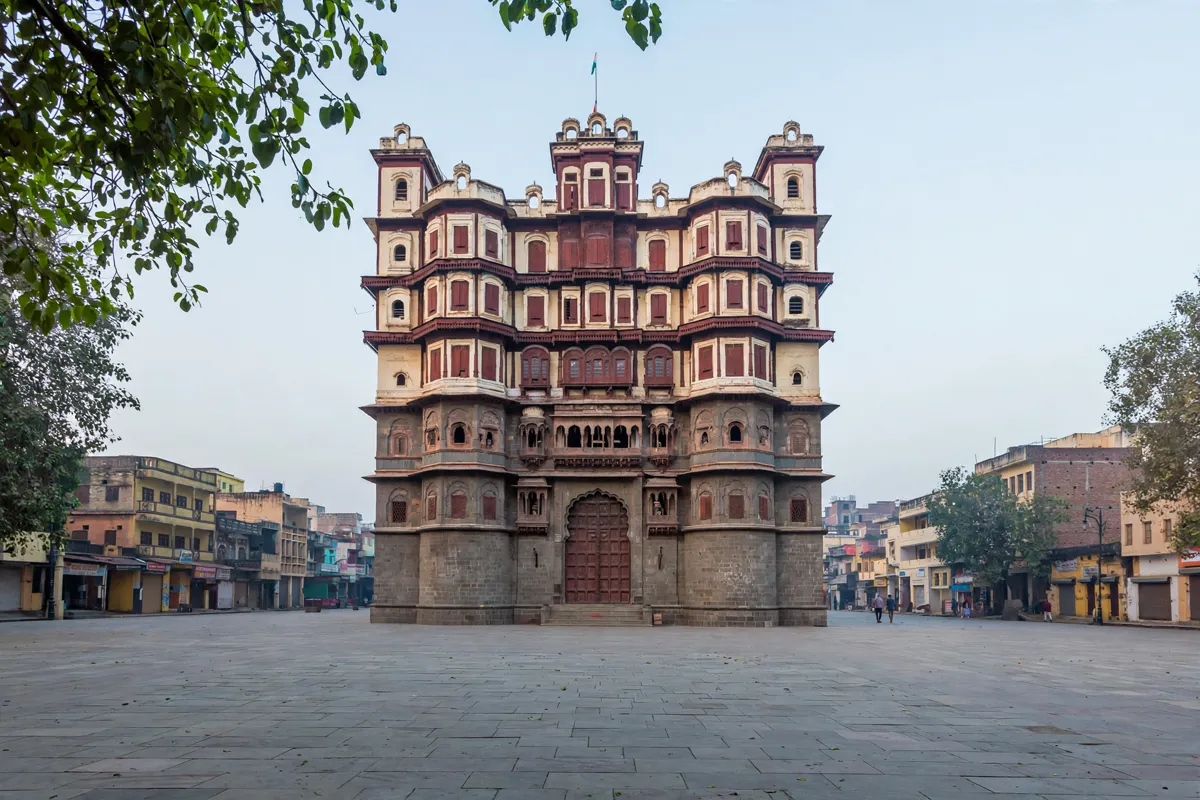 04Major annual events to checkRangpanchami falls in March, five days after Dulendi, or Holi.
- 05Packing and flexible itinerary tipsPack with the month’s typical conditions in mind: lighter clothing for the hot months, rain protection for…
- 06FAQsApril and May have the highest average daily maximum temperatures in the IMD climate table: 38.6°C and 40.2°C.
Indore's seasons at a glance
Indore has hot pre-monsoon months, a rainy mid-year period and cooler, generally drier winter months. The India Meteorological Department’s 1991–2020 climate table gives the city an annual mean daily minimum of 18.6°C, a mean daily maximum of 32°C and mean annual rainfall of 877.0 mm.
January is the coolest month in the table by average daytime high: 21.5°C, with a mean low of 7.7°C. December is similar, averaging 23.7°C by day and 8.7°C overnight. The hotter stretch builds through spring: March averages a high of 32.4°C, climbing to 38.6°C in April and 40.2°C in May.
Rainfall rises sharply in June and peaks in July. July averages 303.9 mm across 12.1 rainy days; August averages 240.7 mm and 11.4 rainy days. By October, mean rainfall falls to 21.0 mm, and November averages just 1.6 mm. These are long-term averages, so use them to compare seasons rather than predict the weather on a particular day.
Planning around heat and monsoon weather
Plan for the strongest heat in April and May, and allow for frequent rain in July and August. April averages a daily maximum of 38.6°C, while May reaches 40.2°C; May’s mean rainfall is only 24.0 mm. If your trip falls in these months, keep outdoor plans flexible and consider arranging sightseeing for cooler parts of the day.
June marks a wetter shift, with average rainfall of 93.1 mm. July and August are much wetter, and September remains rainy by comparison with the drier months: it averages 132.4 mm and 5.7 rainy days. Build flexibility into outdoor plans during this stretch, since showers can affect how easily you move between stops.
Rainfall drops in October, while November is especially dry in the climate table. For a day trip, account for the season as well as the destination; the route and visit planning for Patalpani Waterfall can be considered alongside the forecast.
Winter visits and outdoor sightseeing
December and January offer Indore’s lowest average daytime temperatures, making winter the mildest period in the monthly climate figures. January averages 21.5°C by day and 7.7°C at night, while December averages 23.7°C and 8.7°C. February warms to a mean high of 26.3°C and low of 10.6°C.
These cooler averages can help you plan time outdoors, but mornings and evenings are considerably cooler than afternoons. March warms quickly, with an average high of 32.4°C, so it sits closer to the hotter part of the year than to winter. Check the forecast for your exact dates when deciding how much outdoor sightseeing to schedule.
If you’re planning an excursion beyond Indore, the sights to include on a Ujjain day trip can help shape an outdoor itinerary.
Major annual events to check
Rangpanchami falls in March, five days after Dulendi, or Holi. Anant Chaturdashi is celebrated in September as the final day of the 10-day Ganesh Chaturthi celebrations.
Anant Chaturdashi includes a collective immersion procession with tableaux associated with civic bodies, organisations and former textile mills. The traditional route begins in the Malwa Mill area, passes through central parts of the city including M.G.
Road and Rajwada, then returns to its origins. If your visit coincides with a festival, check local arrangements before setting out, as crowds and procession activity can affect movement.
Festival dates vary, so confirm the calendar for your planned trip rather than relying on a month alone. If you are considering a wider excursion, the travel options from Indore to Ujjain may help you judge how to arrange your days.
Packing and flexible itinerary tips
Pack with the month’s typical conditions in mind: lighter clothing for the hot months, rain protection for the wettest part of the year, and an extra layer for cool winter mornings and evenings. Monthly averages are a starting point, not a substitute for checking conditions close to departure.
Leave room in your schedule for weather and festival activity, particularly if your plans include outdoor stops. For winter dates, remember that daytime temperatures can still rise well above morning lows; during the monsoon, allow flexibility around heavier rain.
If you have settled on dates, you can also review the room options at this Indore hotel as part of planning your visit.
Before you go: Check the India Meteorological Department’s forecast and official festival information before you go.
FAQs
Which months are hottest in Indore?
April and May have the highest average daily maximum temperatures in the IMD climate table: 38.6°C and 40.2°C.
When is the monsoon rainiest in Indore?
July is the wettest month by average rainfall, with August also very wet. September remains rainier than the drier months.
When is Rangpanchami celebrated in Indore?
Rangpanchami is a March festival and falls five days after Dulendi, or Holi. Its exact date varies.
When is Anant Chaturdashi in Indore?
Anant Chaturdashi is celebrated in September and marks the final day of the 10-day Ganesh Chaturthi celebrations.